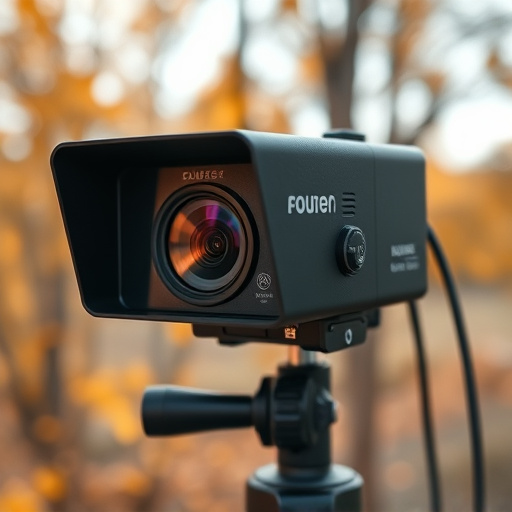
In today's digital age, counter-surveillance sweeps heavily rely on understanding and combating wireless camera concealment strategies. These cameras, often used by professionals and amateurs, integrate seamlessly into surroundings as small, disguised devices. Surveillance experts employ tactics such as thorough inspections, heat signature analysis, and advanced detection tools like thermal imaging and digital RF detectors to identify these hidden cameras. By combining keen observation with advanced technology, professionals can uncover sophisticated Wireless Camera Concealment Strategies, ensuring comprehensive counter-surveillance operations while respecting privacy and adhering to legal boundaries.
“Uncover and neutralise hidden threats with our comprehensive guide on counter surveillance sweeps. In an era where wireless camera concealment techniques are advancing, professionals must stay ahead of the curve. We explore effective methods for identifying and mitigating potential wireless cameras using cutting-edge tools and techniques. From understanding basic concealment strategies to advanced detection methods, this guide covers diverse environments. Furthermore, we delve into professional ethics and legal considerations, ensuring a balanced approach to counter surveillance sweeps.”
- Understanding Wireless Camera Concealment: The Basics
- Identifying Potential Wireless Cameras: Tools and Techniques
- Advanced Wireless Camera Detection Methods
- Countering Hidden Cameras in Different Environments
- Professional Ethics and Legal Considerations for Counter Surveillance Sweeps
Understanding Wireless Camera Concealment: The Basics
In today’s digital era, wireless camera concealment has become a critical aspect of counter-surveillance sweeps. Understanding how these cameras can be hidden is the first step in developing effective countermeasures. The basics involve recognizing that wireless cameras, often used by surveillance professionals and even amateurs, operate discreetly without the need for visible wires. They are designed to blend into their surroundings, whether it’s a small, unassuming device disguised as a power outlet or a sophisticated hidden camera built into everyday objects like clocks or smoke detectors.
Professionals employing counter-surveillance sweeps must adopt various wireless camera concealment strategies. This includes thorough inspections for unusual mounting points or signs of tampering, careful observation of potential heat signatures from cameras with infrared capabilities, and utilizing advanced detection tools that can identify electromagnetic signals given off by the devices. By combining these tactics, professionals can significantly reduce the risk of their activities being monitored by hidden wireless cameras.
Identifying Potential Wireless Cameras: Tools and Techniques
Identifying potential wireless cameras requires a keen eye for detail and an understanding of modern surveillance technology. Professionals often use advanced tools such as thermal imaging devices, which can detect heat signatures emitted by electronic components, hinting at hidden camera presence. Digital RF (Radio Frequency) detectors are another valuable asset; they scan for electromagnetic signals, enabling experts to pinpoint wireless cameras, especially those with active transmission capabilities.
Underneath visible and infrared light, wireless cameras may reveal themselves through subtle visual cues. Experts look for unusual reflections, shadows, or pixelations on surfaces—indicators of hidden lenses. By employing these techniques and tools, professionals can uncover a range of sophisticated Wireless Camera Concealment Strategies, ensuring comprehensive counter-surveillance operations.
Advanced Wireless Camera Detection Methods
In today’s digital age, advanced wireless camera detection methods have become essential tools for professionals navigating the realm of counter surveillance. The proliferation of hidden cameras, often disguised as everyday items, necessitates sophisticated techniques to identify and mitigate such threats. One of the key challenges is the ever-evolving nature of Wireless Camera Concealment Strategies (WCCS), which demand continuous updates in detection methods.
Professionals employ a combination of visual inspection, thermal imaging, and specialized software to uncover hidden cameras. For instance, advanced optical sensors can detect subtle disturbances on surfaces that might indicate the presence of lenses or infrared emitters. Additionally, thermal imaging technology exploits temperature differences, highlighting areas where cameras may be concealed. These methods, coupled with thorough analysis of potential WCCs, ensure a comprehensive sweep, leaving no stone unturned in the pursuit of security and privacy.
Countering Hidden Cameras in Different Environments
In today’s digital age, wireless camera concealment has become a critical aspect of counter surveillance sweeps. Professional methods involve a blend of technological tools and strategic tactics to detect and neutralize hidden cameras in various environments. One approach is to utilize specialized detection equipment, such as infrared cameras and magnetic field sensors, which can identify unusual electromagnetic signals or heat signatures indicative of covert recording devices.
Different settings demand tailored Wireless Camera Concealment Strategies. In homes or offices, professionals might inspect wall outlets, light fixtures, and even paint chips for signs of hidden camera components. Public spaces like hotels or retail stores require a more subtle approach, focusing on discreet checks in high-traffic areas, such as mirrors, clock faces, or decorative items, where cameras are less likely to be noticed but still commonly placed.
Professional Ethics and Legal Considerations for Counter Surveillance Sweeps
When conducting counter surveillance sweeps, professionals must adhere to strict ethical and legal guidelines. The primary goal is to protect privacy rights while ensuring the safety and security of individuals and organizations. Unethical practices, such as unauthorized access or illegal wiretapping, can result in severe legal repercussions and damage reputations.
In the context of wireless camera concealment strategies, professionals must use methods that are not only effective but also respectful of privacy. This includes careful planning, thorough investigations, and adherence to local laws and regulations. By employing advanced technology and discreet techniques, counter surveillance experts can identify and mitigate hidden cameras without infringing upon personal or professional privacy.
In conclusion, understanding wireless camera concealment strategies is an essential aspect of modern counter surveillance sweeps. From identifying potential cameras using advanced tools and techniques, to navigating different environments with ethical and legal considerations in mind, professionals must stay ahead of the curve. By mastering these methods, they can ensure comprehensive protection against hidden threats, balancing privacy concerns with the need for security in today’s digital age.